
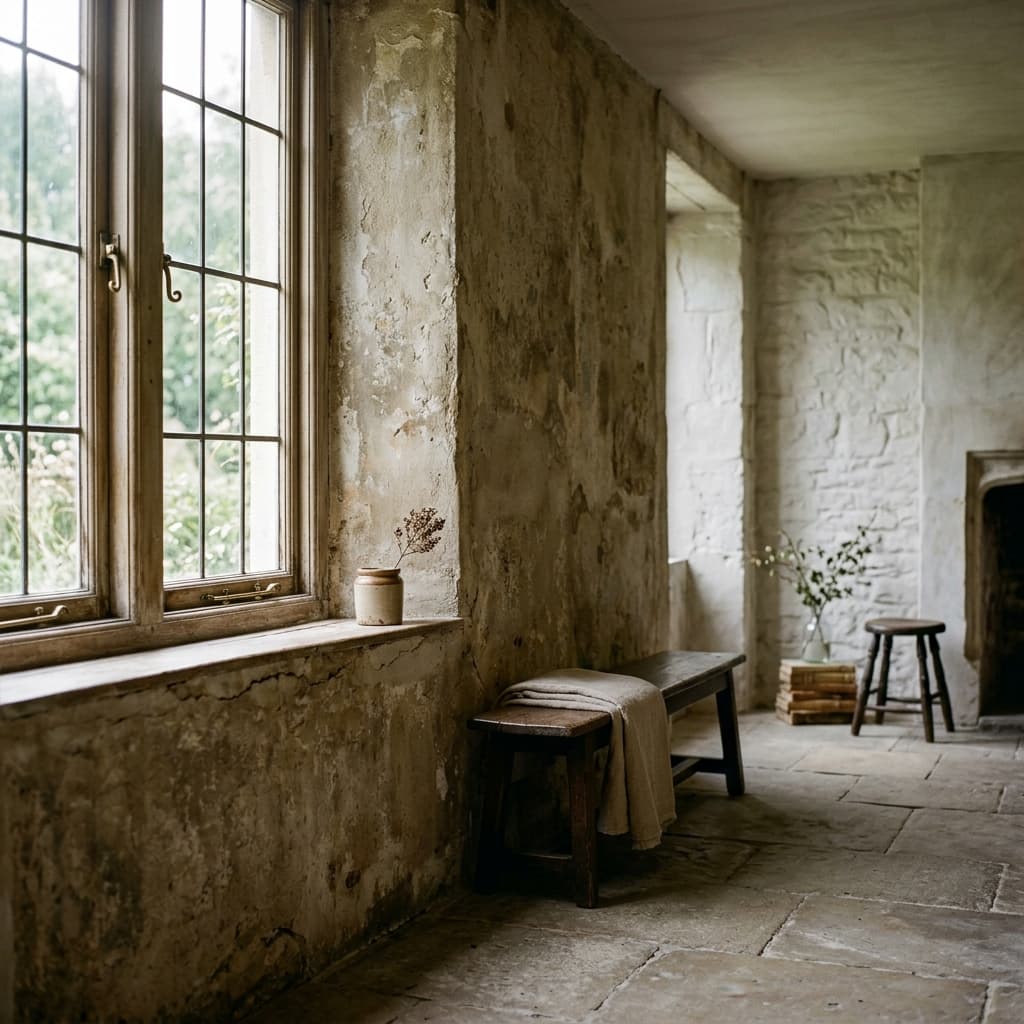
Housing Disrepair Assessment
Tenants in England and Wales are legally entitled to live in a safe, healthy home. If your landlord fails to maintain your home, you may have a route to claim repairs and compensation.
Check Your EligibilityWhat constitutes housing disrepair?
Under Section 11 of the Landlord and Tenant Act 1985 and the Homes (Fitness for Human Habitation) Act 2018, landlords are legally required to keep the structure and exterior of their rented properties in repair, and ensure that the home is fit for human habitation.
When a landlord receives written notice of an issue, they are expected to take action. If they fail to investigate or resolve a serious issue within a reasonable period, they may be in breach of their legal obligations. In such circumstances, tenants have a right to pursue repair enforcement and compensation.
Common unresolved problems.
If your home exhibits any of these conditions and you have informed your landlord, you may be eligible to proceed.
Damp & Mould
Persistent dampness on walls, floors, or ceilings, and toxic mould growth caused by structural failures, poor ventilation, or water infiltration.
Water Leaks & Plumbing
Leaking pipes, broken drains, water damage from roofing failures, or constant toilet/sink blockages left unresolved by the landlord.
Heating & Hot Water
Faulty boilers, broken radiators, or lack of hot water. Landlords are legally required to provide working heating and sanitation.
Structural Disrepair
Cracked brickwork, collapsing ceilings, damp walls, broken windows/doors, or roofing failures that compromise safety and weather-proofing.
Electrical & Fire Hazards
Unsafe or exposed wiring, broken sockets, lack of smoke detectors, or electrical faults that cause constant blackouts or present safety risks.
Pest Infestations
Rats, mice, cockroaches, or bedbug infestations arising from structural gaps, damp walls, or unresolved repair problems in the building.
Why documenting disrepair matters.
To hold a landlord responsible, you must be able to demonstrate that they were made aware of the issues and did not resolve them. Collecting evidence is a critical component of any assessment.
Written Notifications
Keep records of emails, text messages, letters, and portal requests sent to the landlord.
Timeline & Reference Numbers
Maintain a timeline of events, including dates when repairs were requested or attempted.
Visual Evidence
Take clear photos and videos of the damage, showing dates and scale if possible.
Do you meet these conditions?
- The property is rented from a Housing Association, Local Council, or Private Landlord in the UK.
- The disrepair issues have been reported to the landlord or housing provider in writing.
- The landlord has failed to carry out the necessary repairs within a reasonable timeframe (typically 14-21 days).
- The disrepair is causing damage to your belongings, affecting your health, or making the property unsafe.
Housing Disrepair FAQs
Can my landlord evict me if I report disrepair?
By law, tenants are protected against "retaliatory eviction" under the Deregulation Act 2015, provided they have reported the disrepair and the council has issued a notice. Seeking repair enforcement is a legal right, not a ground for eviction.
What compensation may I be entitled to?
Compensation amounts vary depending on the severity of the disrepair, length of tenancy during the disrepair, impact on health, and damage to personal belongings. Assessment is required to determine potential paths.
Assess your property circumstances today.
Find out within minutes whether you qualify for legal assistance to force repairs and recover potential damages.
Start Check Now